




Carnival Gifts: A Cultural Guide to Souvenirs, Awards, and Festive Keepsakes
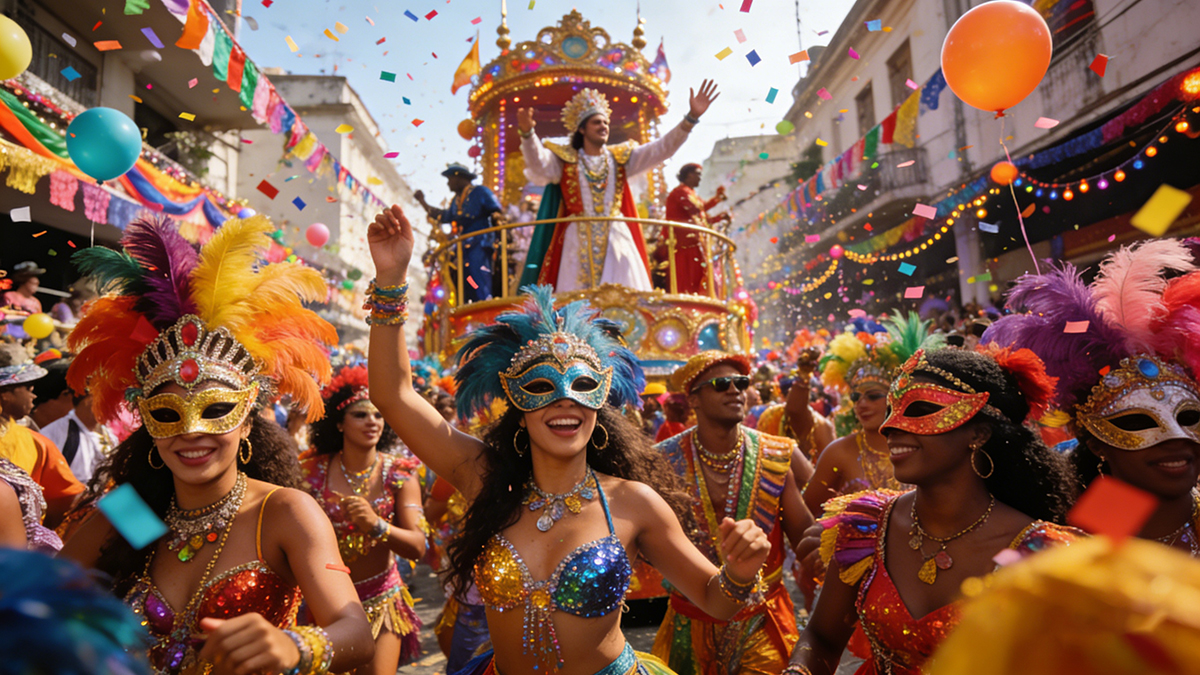
Carnival is one of the world’s most colorful and expressive celebrations, deeply rooted in history, culture, and community. From Brazil’s Rio Carnival and Venice Carnival to street parades across Europe, the Americas, and Asia, carnival events bring people together through music, costumes, and shared joy.
An essential part of these celebrations is Carnival gifts—objects that symbolize participation, achievement, and remembrance. These gifts are more than simple souvenirs; they reflect cultural identity, artistic expression, and the spirit of celebration.
The Cultural Meaning of Carnival Gifts
Carnival gifts have long been used to represent belonging and recognition. Historically, tokens such as badges, medals, or small ornaments were given to performers, parade participants, and honored guests as symbols of participation and achievement.
Today, carnival gifts continue this tradition by serving three main cultural purposes:
-
Commemoration – Preserving memories of a specific event or year
-
Recognition – Honoring performers, volunteers, or competition winners
-
Expression – Showcasing carnival themes, mascots, and local culture
Common Types of Carnival Gifts
Carnival gifts vary widely depending on regional traditions, event scale, and target audiences. Below are some of the most commonly used gift types worldwide.
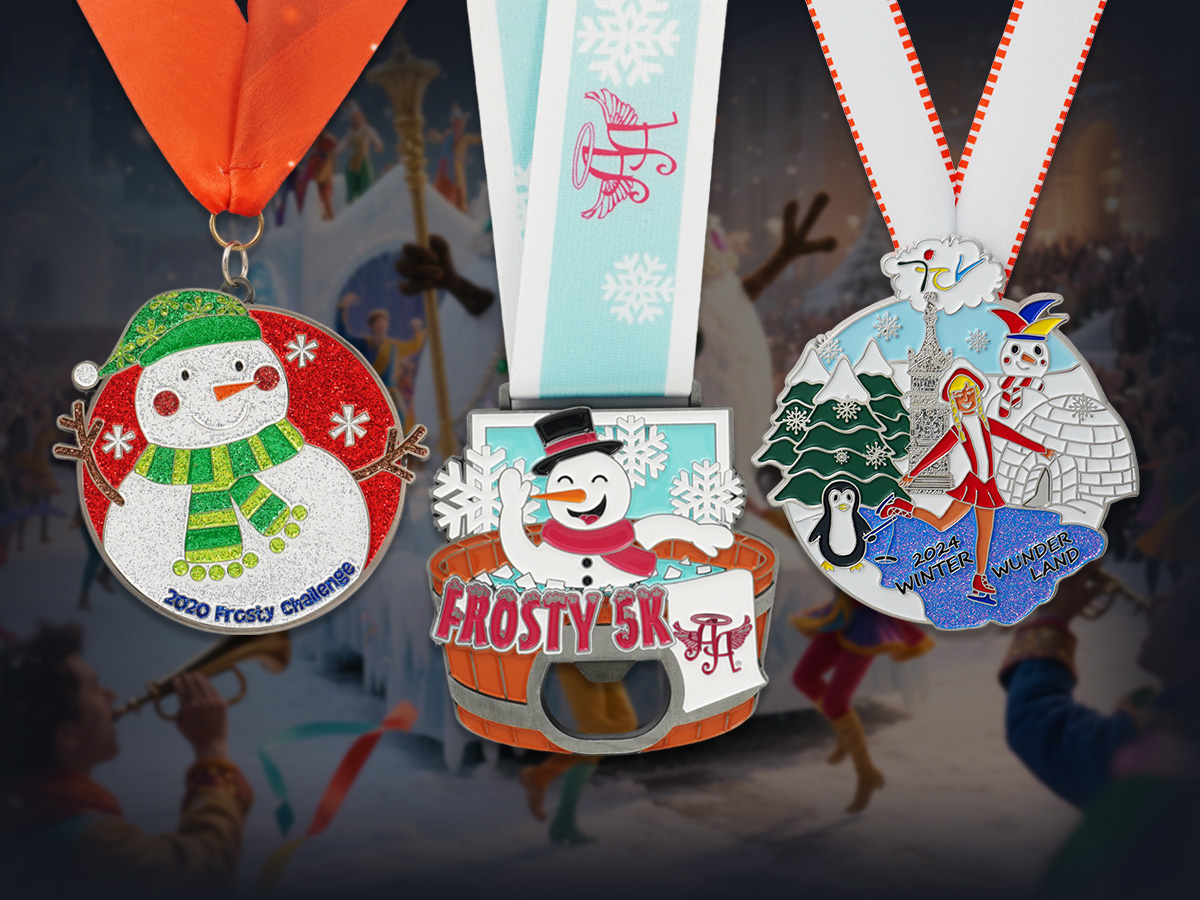
🏅 Medals and Medallions
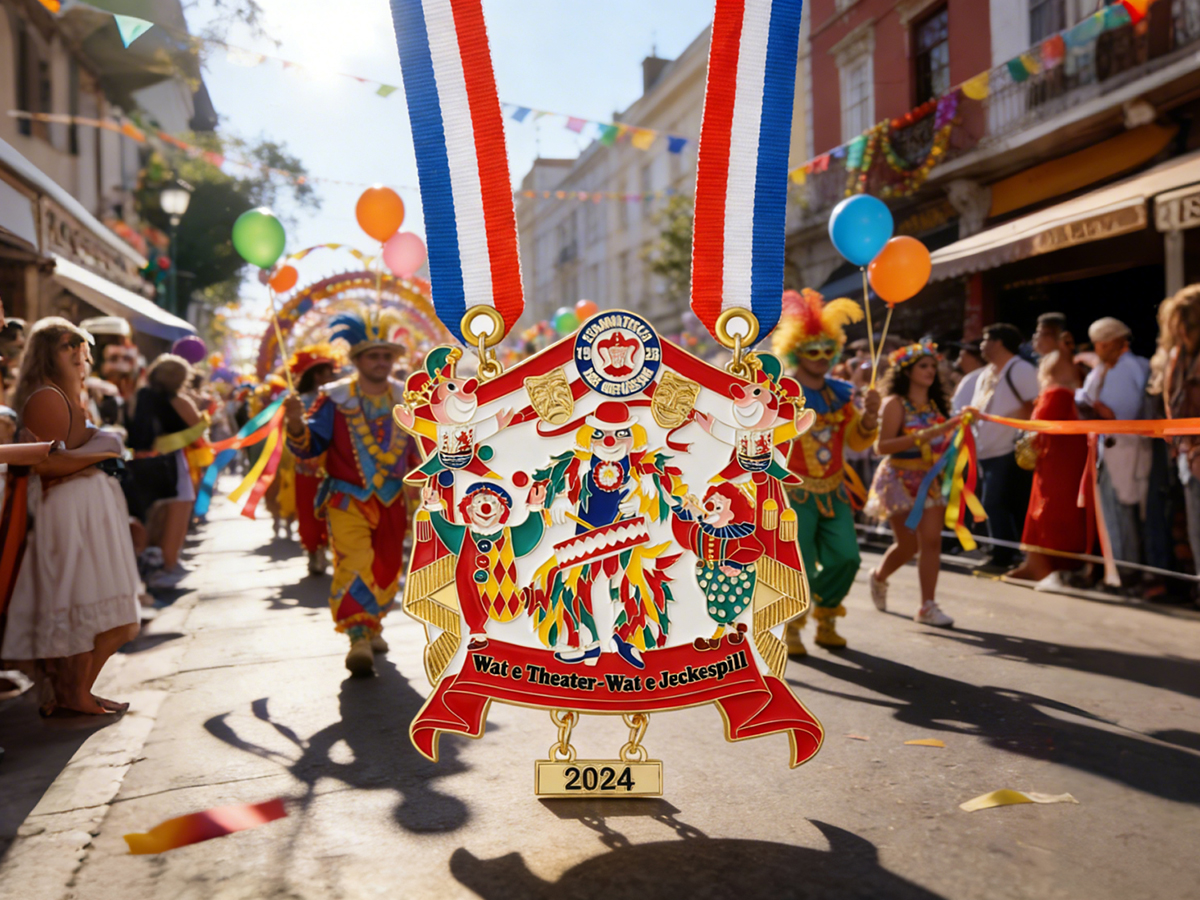
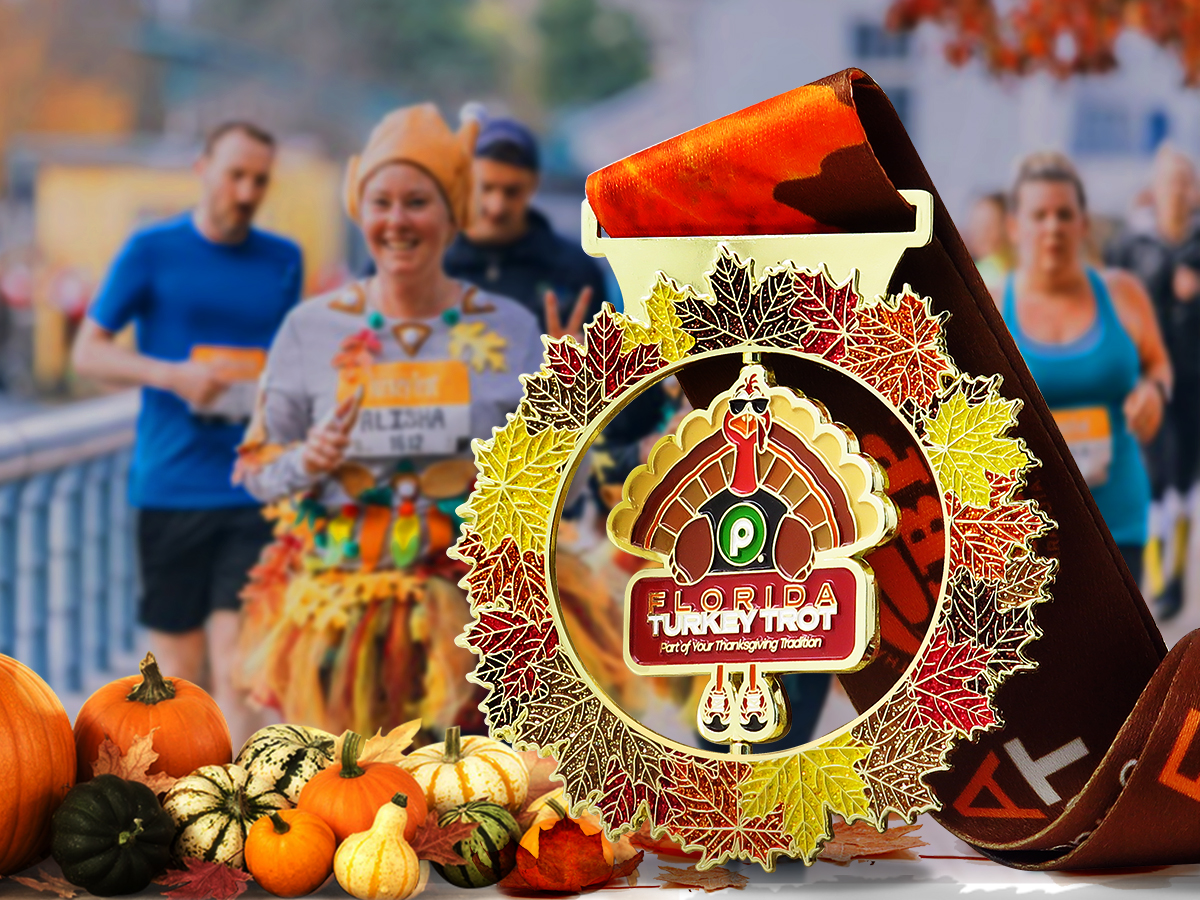
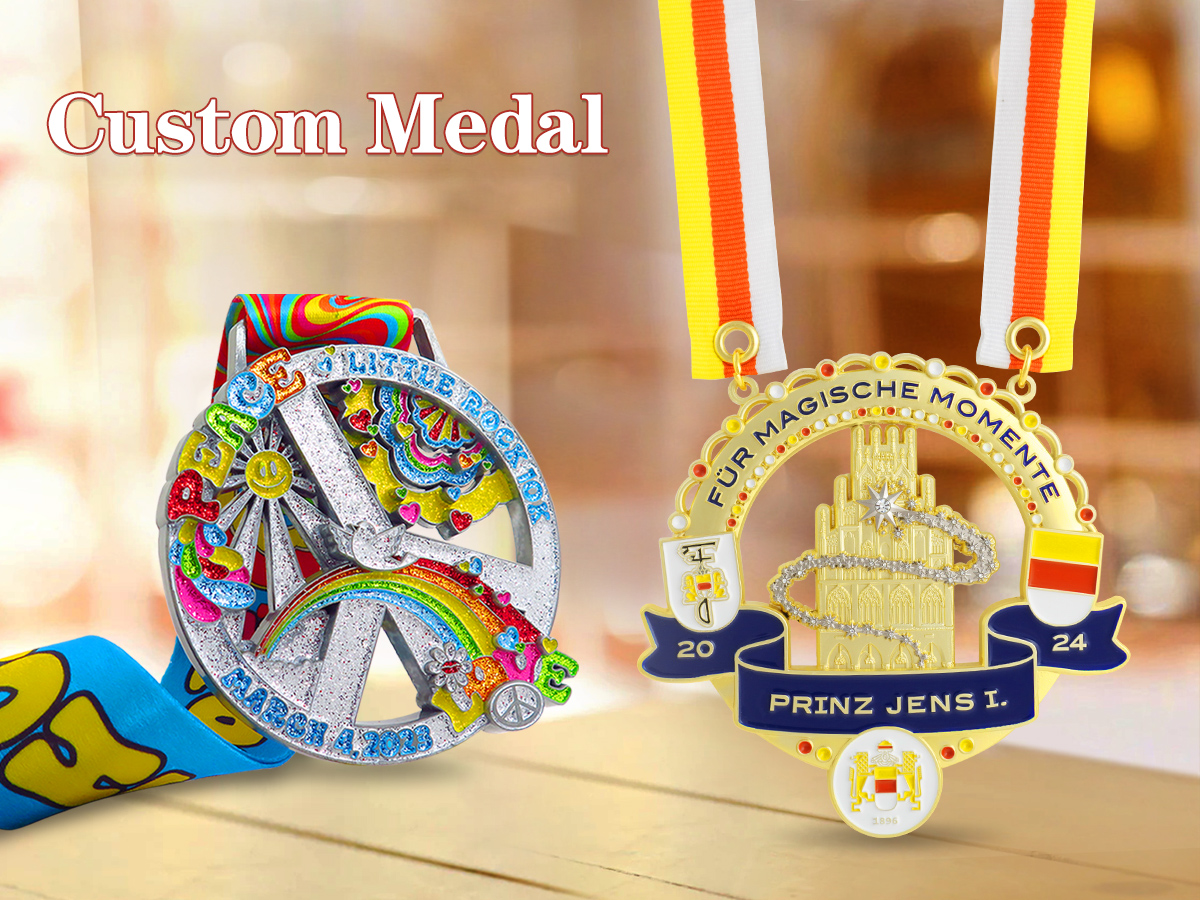
Medals are often awarded during carnival competitions, dance performances, and parade events. They symbolize accomplishment and are valued for their durability and ceremonial significance.
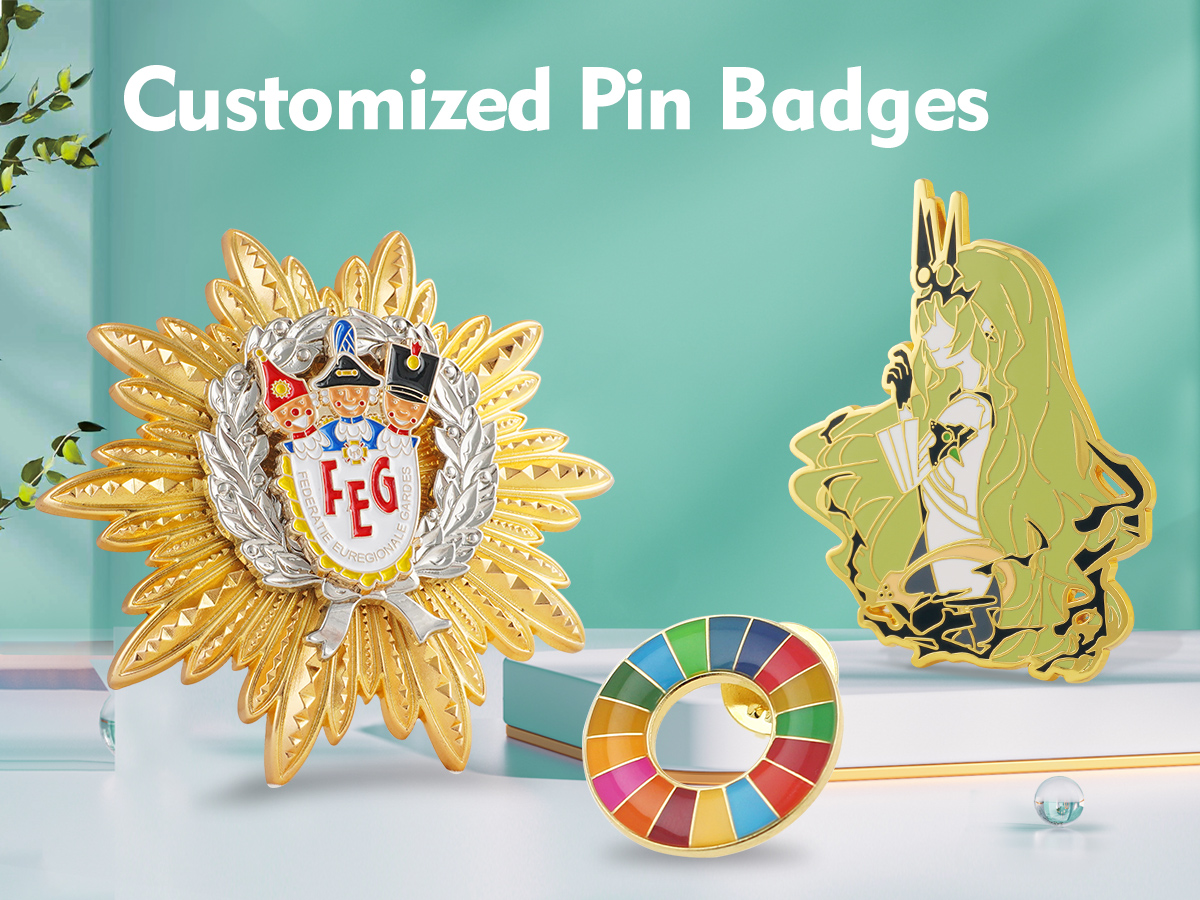
🎖 Badges and Pins
Badges and enamel pins are among the most iconic carnival items. They are easy to wear, collect, and display, making them popular among both participants and visitors.
🔑 Keychains
Keychains are practical keepsakes often featuring carnival logos, city landmarks, or festive symbols. Their everyday usability helps extend the memory of the event beyond the celebration itself.
🧲 Fridge Magnets
Fridge magnets serve as decorative reminders of carnival experiences. They are commonly used in tourism-focused carnivals and city festivals.
🪙 Commemorative Coins
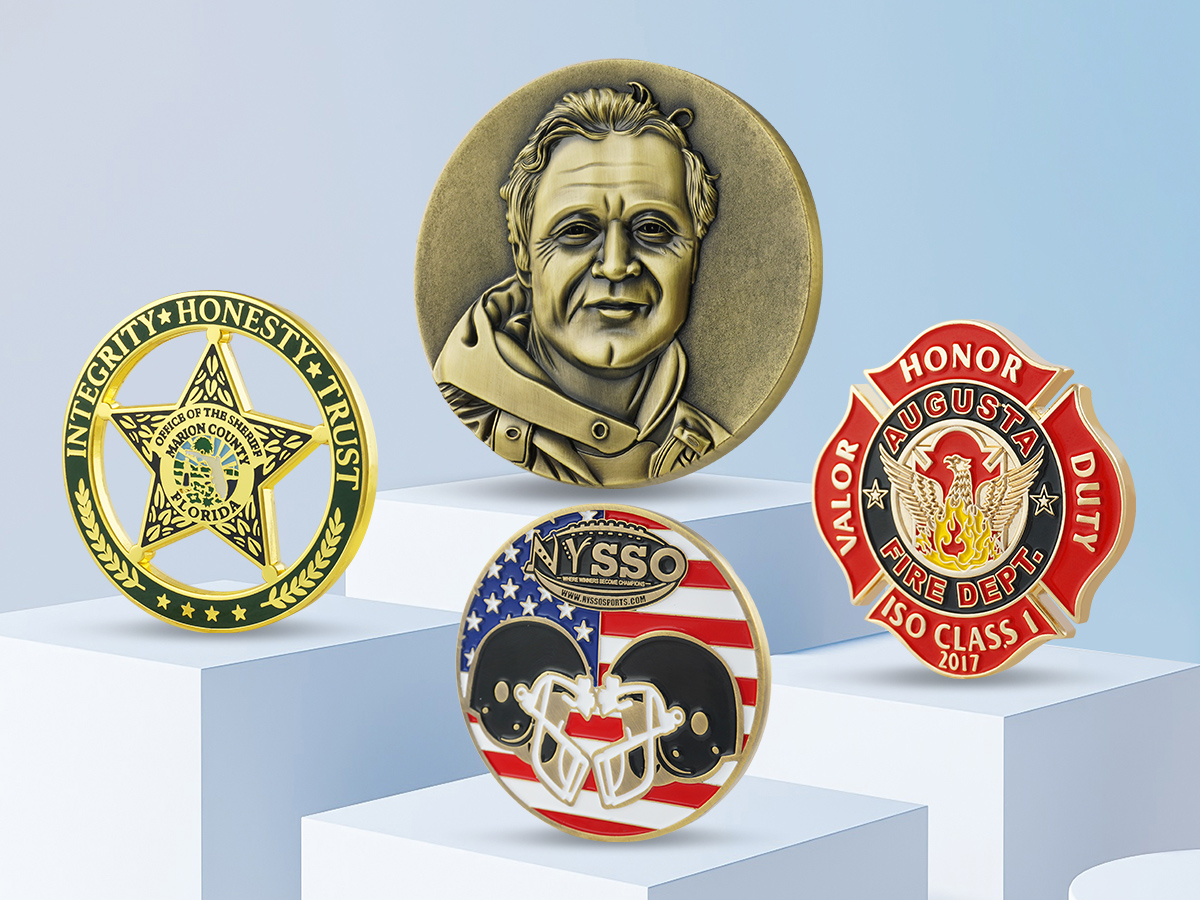
Commemorative coins are typically designed for special editions, anniversaries, or VIP guests. They often feature intricate designs and are collected as cultural or historical artifacts.
Materials Commonly Used in Carnival Gifts
The material of a carnival gift plays an important role in its visual appeal and longevity.
-
Metal – Known for durability and premium appearance, often used for medals, badges, and coins
-
Plastic or Acrylic – Lightweight and colorful, suitable for large-scale giveaways
-
Fabric – Used in ribbons, patches, and wearable accessories
-
Wood or Eco Materials – Increasingly popular for environmentally themed events
Each material reflects different values, such as sustainability, affordability, or long-term collectibility.
How Carnival Gifts Are Designed
Carnival gift designs usually incorporate:
-
Event year and location
-
Carnival mascots or cultural symbols
-
Music, dance, or mask elements
-
Bold colors and expressive shapes
Designs often aim to balance festive creativity with cultural authenticity, ensuring the gift resonates with both locals and international visitors.
How to Choose the Right Carnival Gift
When selecting carnival gifts, organizers often consider:
-
Audience type (participants, tourists, performers, VIPs)
-
Event purpose (competition, parade, cultural celebration)
-
Budget and quantity
-
Portability and collectibility
A well-chosen carnival gift should feel meaningful rather than disposable, encouraging people to keep and cherish it long after the event ends.
The Lasting Value of Carnival Gifts
Carnival gifts are tangible expressions of joy, creativity, and cultural heritage. Whether it is a medal earned on stage, a badge worn with pride, or a magnet displayed at home, these items serve as lasting connections to shared experiences.
As carnival celebrations continue to evolve globally, the role of thoughtful, well-designed gifts remains essential—bridging tradition and modern celebration through meaningful keepsakes.